
top rated
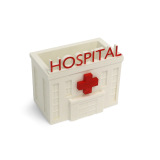
Hospital
$14.99
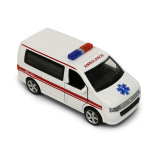
Ambulance
$8.99
$9.99
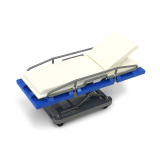
Hospital Gurney
$19.99
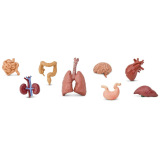
Human Organs Toob
$12.49
$14.99
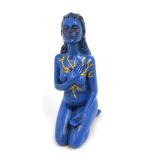
Healing Figure
$14.99
First Aid Box
$4.49
$4.99
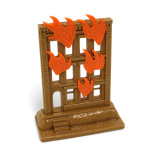
Burning Wall
$14.99
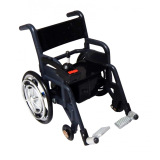
Power Wheelchair Miniature
$17.99
$19.99
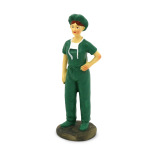
Nurse Figure
$7.99
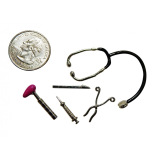
Doctor's Set Miniature
$5.99
$8.99
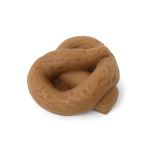
Poop
$1.99
$2.99
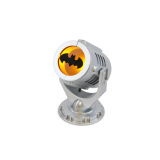
Bat Signal
$12.99

Miniature Stethoscope
$2.99
$3.49
closeout
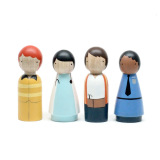
Peg People - Community Helpers Set
$19.97
$29.97
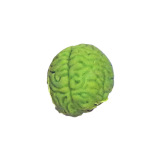
Rubber Brain
$1.00
Syringe
$2.99
Bendable Skeleton
$1.99
Mini Mask
$1.99
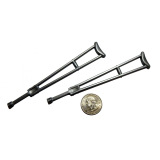
Crutches
$5.99
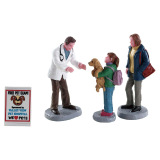
Veterinarian Exam
$7.99
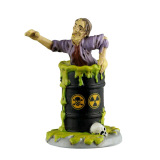
Toxic Waste
$3.99
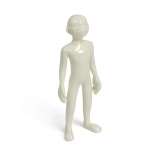
Masked Figure
$7.99
$8.99
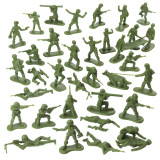
Army Women Medical Team (24 pieces)
$14.99
$19.40
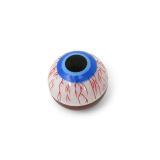
Plastic Eyeball
$1.00
$1.49
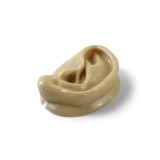
Human Ear
$4.99
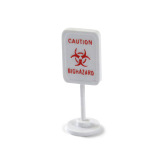
Biohazard Sign
$4.99
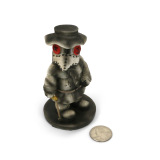
Plague Doctor
$11.99
$12.99
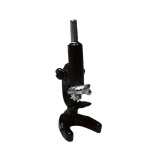
Microscope
$5.49
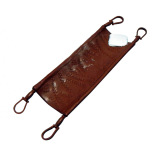
Deluxe Stretcher
$5.99
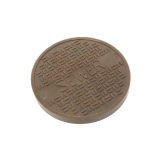
Sewer Grate
$4.99
Serenity Stone - Healing
$3.99
new
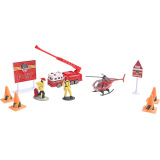
FDNY 10-Piece Die-Cast Fire Truck
$15.97
$19.99
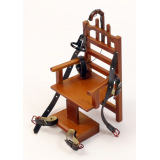
Electric Chair
$34.99
View:
Medical and trauma sand tray miniatures give clients a way to express what words alone can’t capture. Figures such as doctors and nurses and pieces relating to hospitals, ambulances, and medical care allow for the creation of worlds involving medical procedures, emergency scenes, traumatic experiences, and everyday health care to externalize fears, express emotions, and clarify memories.
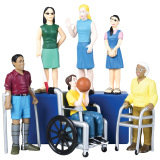
This category also includes items related to injury, disability, and recovery such wheelchairs, walkers, crutches, and stretchers. Body parts such as along with organs can help clients explore concerns about their own health and chronic conditions, or those of loved ones.
Symbolic miniatures can illustrate feelings about medical mistakes, worries, or unfair treatment, or represent emotional "contamination". Sand tray therapists can use these miniatures to:
- support clients processing surgery, hospital stays, or emergency room visits
- explore the impact of chronic illness, disability, or accidents on the family
- highlight helpers and sources of support alongside traumatic memories
- create scenes that contrast harm versus healing, danger versus safety
Keeping a range of medical and trauma-themed miniatures on your shelves allows clients to choose images that match their own experiences. When clients can create their own story in the sand, it often becomes easier to process fears, develop coping skills, and imagine paths toward healing.